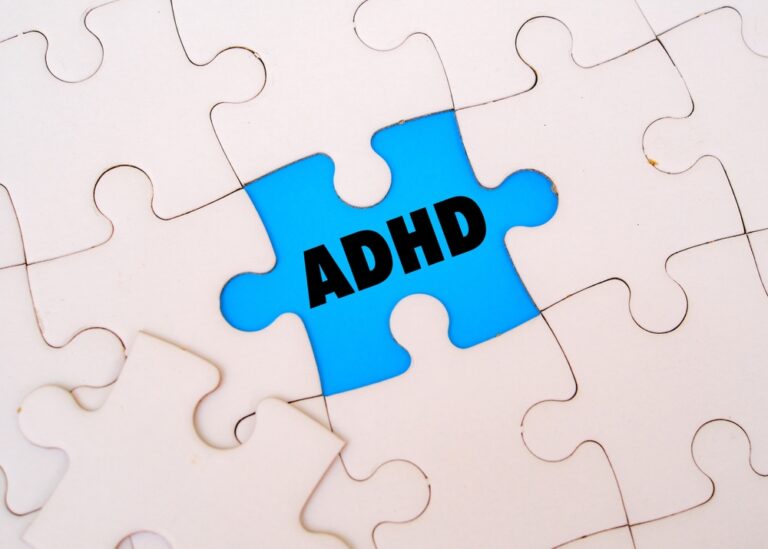
Living with ADHD:
Living with ADHD:
How Psychologists Can Help For many people, an ADHD diagnosis feels like a turning point. It explains struggles with focus, organisation, or impulsivity — but it can also raise questions like, “What now?” The good news: ADHD is highly treatable. Psychologists play an important role in helping people with ADHD build skills, confidence, and wellbeing.
What Is ADHD?
ADHD is a neurodevelopmental condition that affects attention, organisation, emotional regulation, and sometimes hyperactivity or impulsivity. In children: difficulty sitting still, forgetting instructions, or interrupting. In teens and adults: procrastination, disorganisation, restlessness, or emotional ups and downs.
How Psychologists Can Help
Psychologists use evidence-based therapies recommended by the Australian Psychological Society (APS, 2018) and international guidelines. These include:
Psychoeducation – understanding ADHD reduces blame and increases self-compassion. Cognitive Behavioural Therapy (CBT) – builds routines, improves organisation, and challenges unhelpful thinking.
Skills Training – time management, planning, and strategies to reduce distraction or impulsivity.
Emotional Support – managing frustration, stress, and low self-esteem.
Family Support – helping parents and partners build structure and positive communication. Why It Matters With the right support, people with ADHD can: Improve focus and organisation Build resilience and confidence Strengthen family, school, and work relationships Thrive, not just cope.
Next Steps If you or your child are living with ADHD, a psychologist can help turn diagnosis into a practical plan.
Our psychologists provide evidence-based strategies to support people with ADHD of all ages.
References
Australian Psychological Society. (2018). Evidence-based psychological interventions in the treatment of mental disorders: Fourth edition. APS.
National Institute for Health and Care Excellence. (2019). Attention deficit hyperactivity disorder: diagnosis and management (NG87).